

Fr (Dr) Augustine Kanachikuzhy SSP
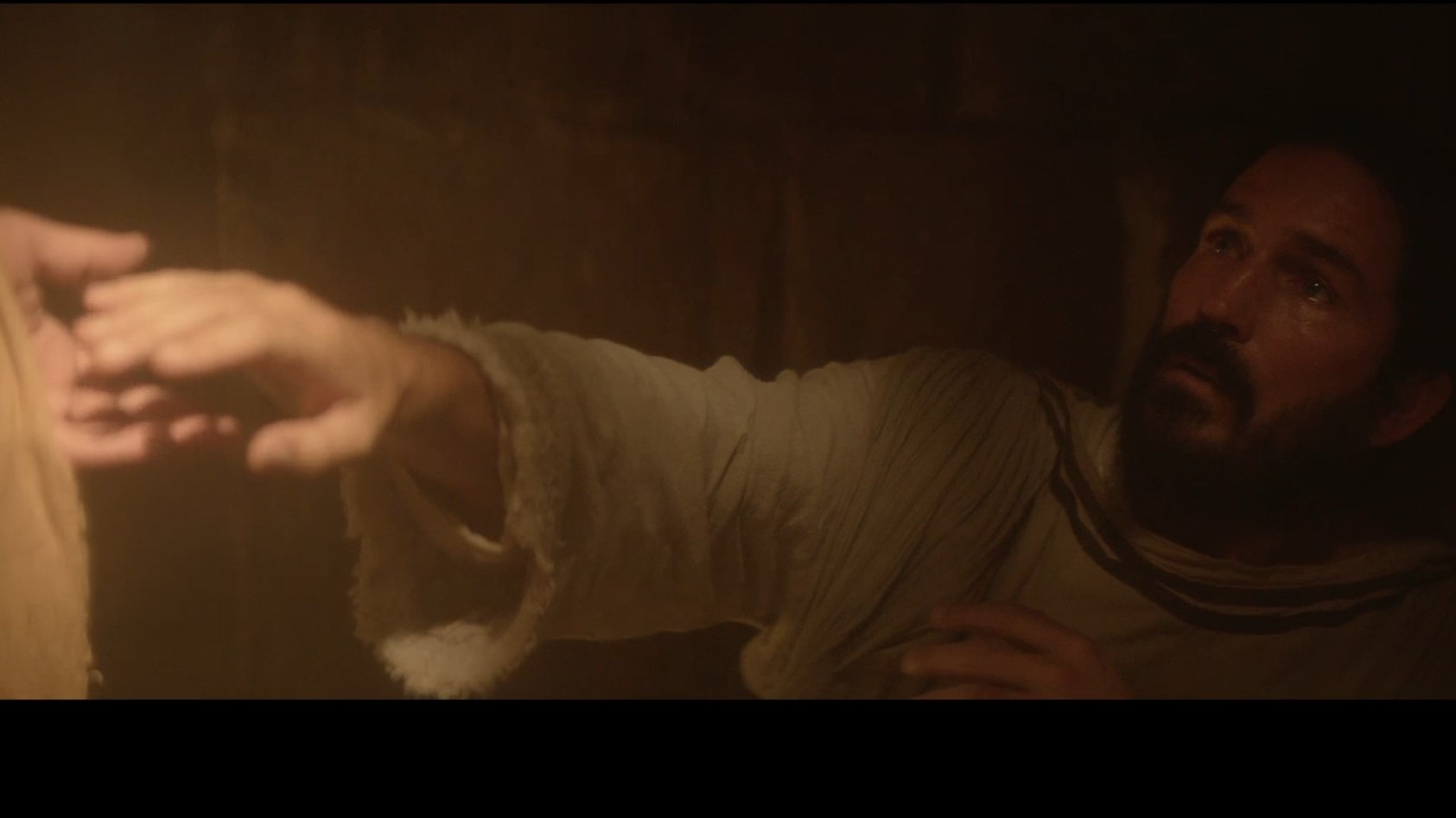
Everyone is familiar with the story in Acts 9,1-19 that recounts what happened to Paul on the road to Damascus. Although the story is told three times in Acts (also in Acts 22,6-16; Acts 26,12-18) with slightly different emphasis, the basic outline of the story is clear: Paul was underway to Damascus with permission from Jewish authorities in Jerusalem to arrest some followers of Jesus. He was blinded by a bright light, the intensity of which seemed brighter than the midday sun causes Saul to fall to the ground. As he lay on the ground, he hears a voice saying to him, “Saul, Saul, why do you persecute me?” Saul does not yet know who is speaking so he asks, “Who are you, Lord?” Jesus identifies himself saying, “I am Jesus, whom you are persecuting.” Jesus’ reply clearly indicates that to persecute his followers is to persecute Jesus himself. Jesus then directs Saul to go into Damascus and wait for further instructions. When Saul got up from the ground, he realized that he could no longer see even though his eyes were open. He had to be escorted by the hand into Damascus. For three days he was blind and did not eat or drink anything. Prior to his encounter with the Lord, Saul was seeking to put an end to those who were following Jesus, but now he cannot find his own way without the help of others. Then Jesus directs aa believer named Ananias who lived in Damascus to go and heal Paul of his blindness and to bapt
In his correspondence to the Corinthians Paul writes about his encounter with the risen Christ in the context of post resurrection appearances of the risen Christ, “Then he appeared to more than five hundred brothers at one time … Last of all, as to one untimely born, he appeared also to me(1Cor 15,6-8). Here Paul insists that he no less a recipient of a call from the risen Lord than other followers, some of whom also received post-resurrection appearances. In other words, Paul’s own account does not yield much specific information on his conversion, but it does assert that God revealed his Son to him, and this is what is important.
Eminent biblical scholar Joseph A. Fitzmyer writes that this episode recounts a revelatory Christophany, a “manifestation of God’s Son” to Saul, which impresses upon him with the need of faith in Christ as the way to salvation for all human beings. It relates how the power of the risen Christ transforms even the arch-persecutor of his Church into its most ardent defender and prominent witness. In the course of the episode the risen Christ instructs Ananias: Saul is to become “a chosen instrument of mine to carry my name before Gentiles and kings, and the children of Israel” (Acts 9,15). He is thus the vessel of election, chosen by God Himself, to bear witness on His behalf. He it is who will carry that testimony “to the end of the earth” (Acts 1,8). It thus forms part of Paul’s insistence on his right to be called an “apostle” (see 1Cor 9,1).
The call of Saul to be “a chosen instrument” of the risen Christ to carry his name before Gentiles, kings, and the children of Israel remains one of the great wonders of divine grace in the history not only of Christianity but of the world. The arch-persecutor of Christians was transformed by the call of Christ into the “apostle of the Gentiles” (Rom 11,13). The Lucan story of that call and transformation proclaims the power of the risen Christ in the life of a human being, “Man proposes, but God disposes!” so runs the proverb.
This is the story of the call of Saul. It is not an account of his psychological “conversion,” as it is often characterized, but the story of how divine grace transforms even the life of a persecutor. It is not the story of the conversion of a great sinner, but rather of how heaven can upset the persecution of God’s people. Saul’s dramatic turnaround or “conversion,” is a change from being a Pharisaic persecutor to becoming a chosen vessel by Christ himself to bear witness on his behalf. Most commentators and writers on Paul agree that Paul’s story is a commissioning or call resembling call narratives of OT prophets.