

-
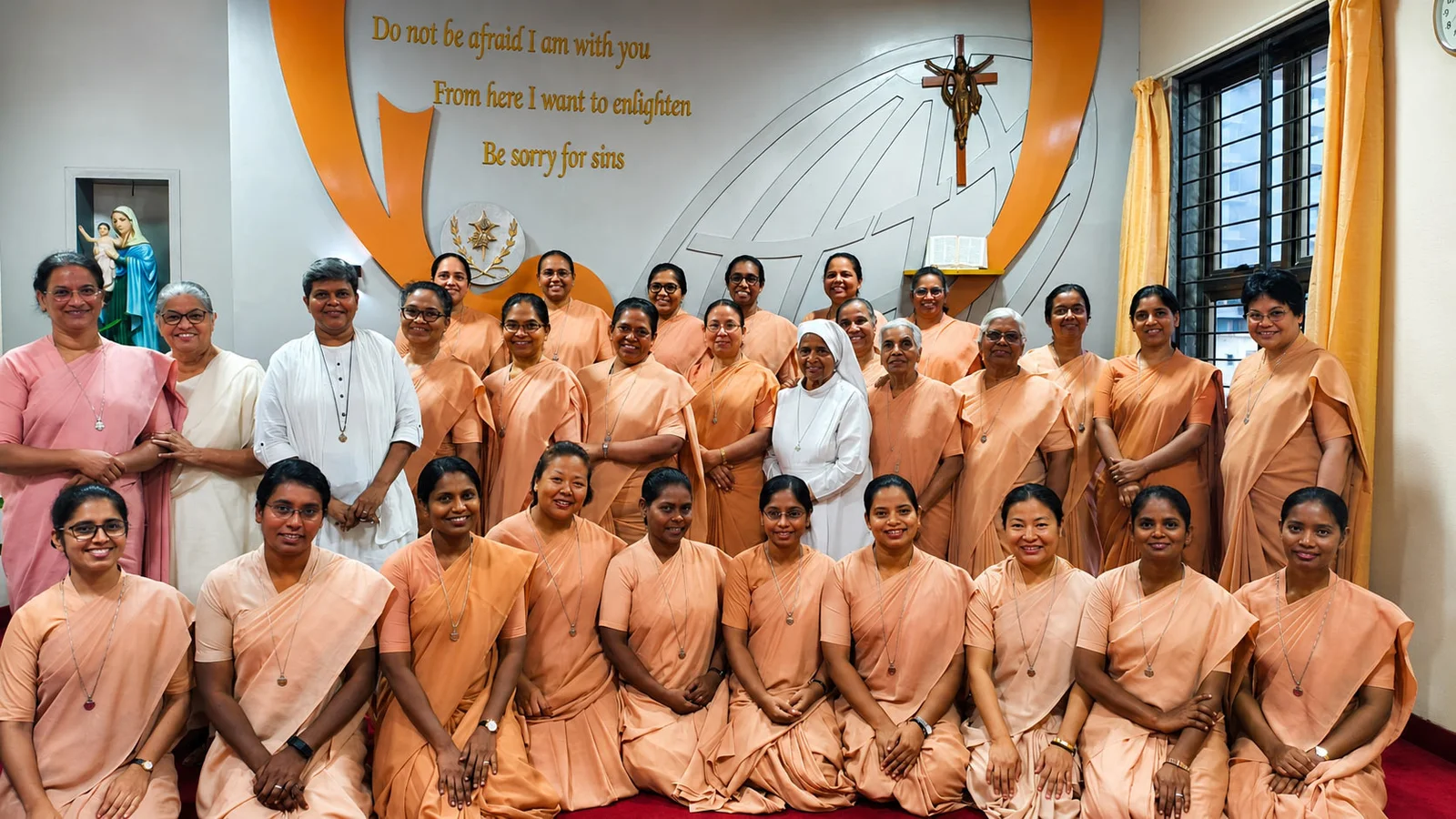
India: Growing with the Word of God
A Practical & Functional Relationship with God’s Word. Growing With the Word of God is a year-long Certificate Course organised by the Daughters of St Paul. It endeavours to fulfil a deep longing of many faithful in the Archdiocese — to engage creatively with God’s Word: to think, reflect, reason, analyse and question before logging in to the supreme knowledge of God’s Word — The Truth. Various interactive methodologies, including group discussions, are woven into every module. See more here.
-
Biblical Animation of Catechesis
The Latin American Biblical-Pastoral Institute of the Corporación Universitaria Minuto de Dios (UNIMINUTO, Bogotá), in collaboration with the Catholic Biblical Federation (FEBIC LAC), offers the online diploma course “Biblical Animation of Catechesis.” This is a training program designed to place the Word of God at the heart of catechetical processes, aimed at catechists and pastoral agents serving in parish or diocesan settings. It runs from September 3 to December 3, 2026, on Thursdays from 7:00 PM to 9:00 PM (Colombia time). Objective: To provide the biblical, pastoral, and didactic foundations for catechetical programs developed in the spirit of the biblical…
-

Paul in Corinth
Fr (Dr) Augustine Kanachikuzhy SSP From Athens, Paul traveled to Corinth, probably around AD 51. There he met Aquila and Priscilla, Jewish Christians who had been expelled from Rome when Emperor Claudius ordered all Jews to leave the city in AD 49 (cf. 1Cor 16,19; Rom 16,3). They became Paul’s close collaborators (Acts 18,26). Paul initially lived with them, since they shared the same trade. The Greek word skēnopoios is debated, but it likely means “tentmaker” or “weaver of tent fabric.” Paul used this trade to support himself financially during his missionary journeys. Though he came from a socially privileged…
-
Paul in Athens
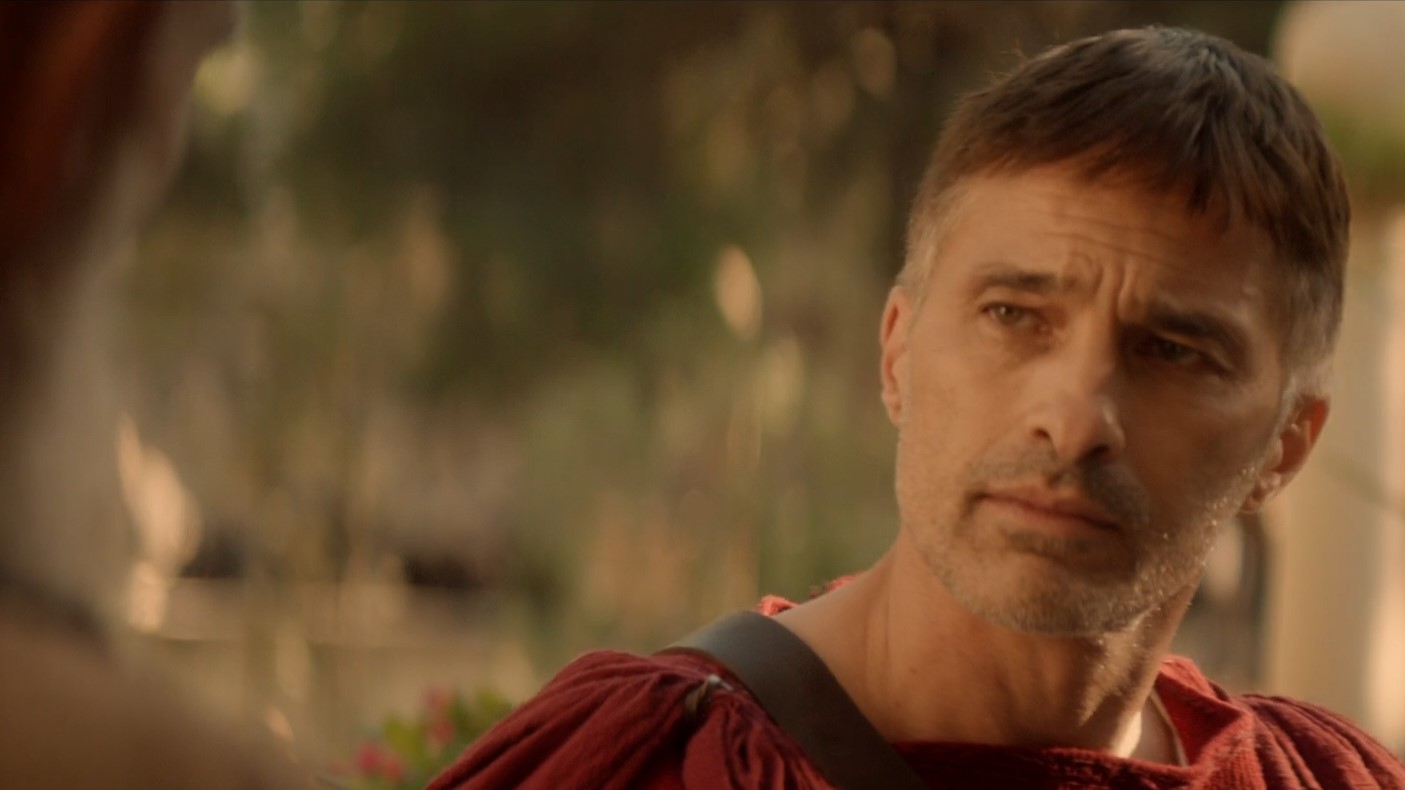
Don (Dr) Augustine Kanachikuzhy SSP Paul arrived in Athens from Beroea, awaiting the arrival of Silas and Timothy. Although Athens had lost much of its former political glory, it remained the historical, cultural, and philosophical center of the ancient world. Luke’s account of Paul’s activity there illustrates the encounter between the gospel and pagan culture – Christianity’s first major engagement with Greco-Roman philosophy and religion. While in Athens, Paul was deeply distressed by the multitude of idols and pagan worship. Nevertheless, he preached both in the synagogue to Jews and in the marketplace to anyone willing to listen. His message…
-
Paul, the missionary
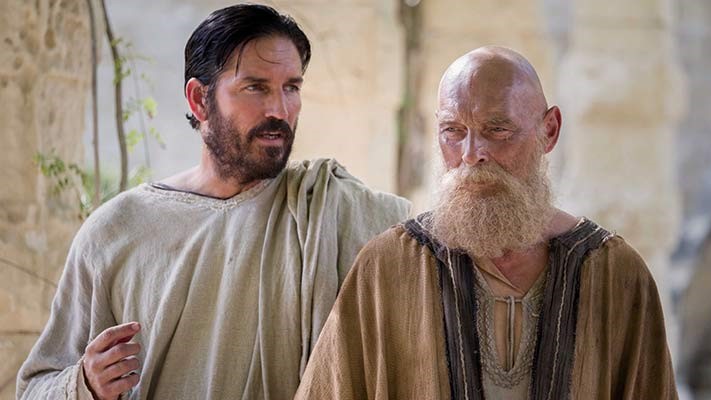
Fr Dr Augustine Kanachikuzhy SSP After participating in the Jerusalem Council, Paul returned to Antioch. He judged it wise to revisit the churches established during his First Missionary Journey to strengthen the believers there. However, a disagreement arose between Paul and Barnabas over John Mark. Barnabas wished to take Mark along, but Paul refused, recalling how Mark had deserted them early in the first mission (Acts 13,13). The dispute led to their separation: Barnabas took Mark, while Paul chose Silas as his companion. This Second Missionary Journey covered a much larger geographical area than the first, extending for about 3,000…
-
Paul in Jerusalem
Fr (Dr) Augustine Kanachikuzhy SSP The church in Jerusalem was composed mainly of Jewish Christians, whereas the church in Antioch had a predominantly Gentile membership. After Paul returned to Antioch following his First Missionary Journey, Jewish Christians from Jerusalem raised a pressing issue: the requirements for Gentiles to become Christians. They insisted that Gentile converts must undergo circumcision and adhere to the Mosaic Law, claiming these practices were necessary for salvation. Paul strongly opposed this view. For him, Gentile Christians were not bound by circumcision or the Mosaic Law. Since the dispute could not be resolved locally, the Antiochian church…
-
Paul, the preacher
Fr. Dr. Augustine Kanachikuzhy, SSP The high point of Paul and Barnabas’ mission in Pisidian Antioch is Paul’s speech delivered in the synagogue at the invitation of its officials (Acts 13,16-41). First part (13:16-25): Paul recounts the major events of salvation history. Speaking to a Jewish audience, he recalls God’s actions in the past – their sojourn in Egypt, deliverance through the Exodus, and God’s guidance through Judges and Kings. Second part (13:26-37): Paul proclaims the message of salvation through Jesus Christ. He highlights Israel’s failure to recognize Jesus as the Messiah, their demand that Pilate crucify him, and God’s…
-
Paul and Barnabas
Fr. Dr. Augustine Kanachikuzhy, SSP The Rise of Antioch as a Christian Centre While Paul was still in Tarsus, Antioch on the Orontes – also known as Antioch of Syria – emerged as the second great centre of Christianity after Jerusalem. Recognizing the opportunities opening there, the apostles in Jerusalem sent Barnabas to oversee the evangelization. Upon arrival, Barnabas realized the work was too vast for him alone, so he went to Tarsus to find Saul and brought him back to Antioch (Acts 11,25-26). Saul, still known by his Jewish name at this time, spent a year ministering in Antioch.…
-
Paul, the called one
Fr (Dr) Augustine Kanachikuzhy SSP Everyone is familiar with the story in Acts 9,1-19 that recounts what happened to Paul on the road to Damascus. Although the story is told three times in Acts (also in Acts 22,6-16; Acts 26,12-18) with slightly different emphasis, the basic outline of the story is clear: Paul was underway to Damascus with permission from Jewish authorities in Jerusalem to arrest some followers of Jesus. He was blinded by a bright light, the intensity of which seemed brighter than the midday sun causes Saul to fall to the ground. As he lay on the ground,…
-
Paul, the persecutor
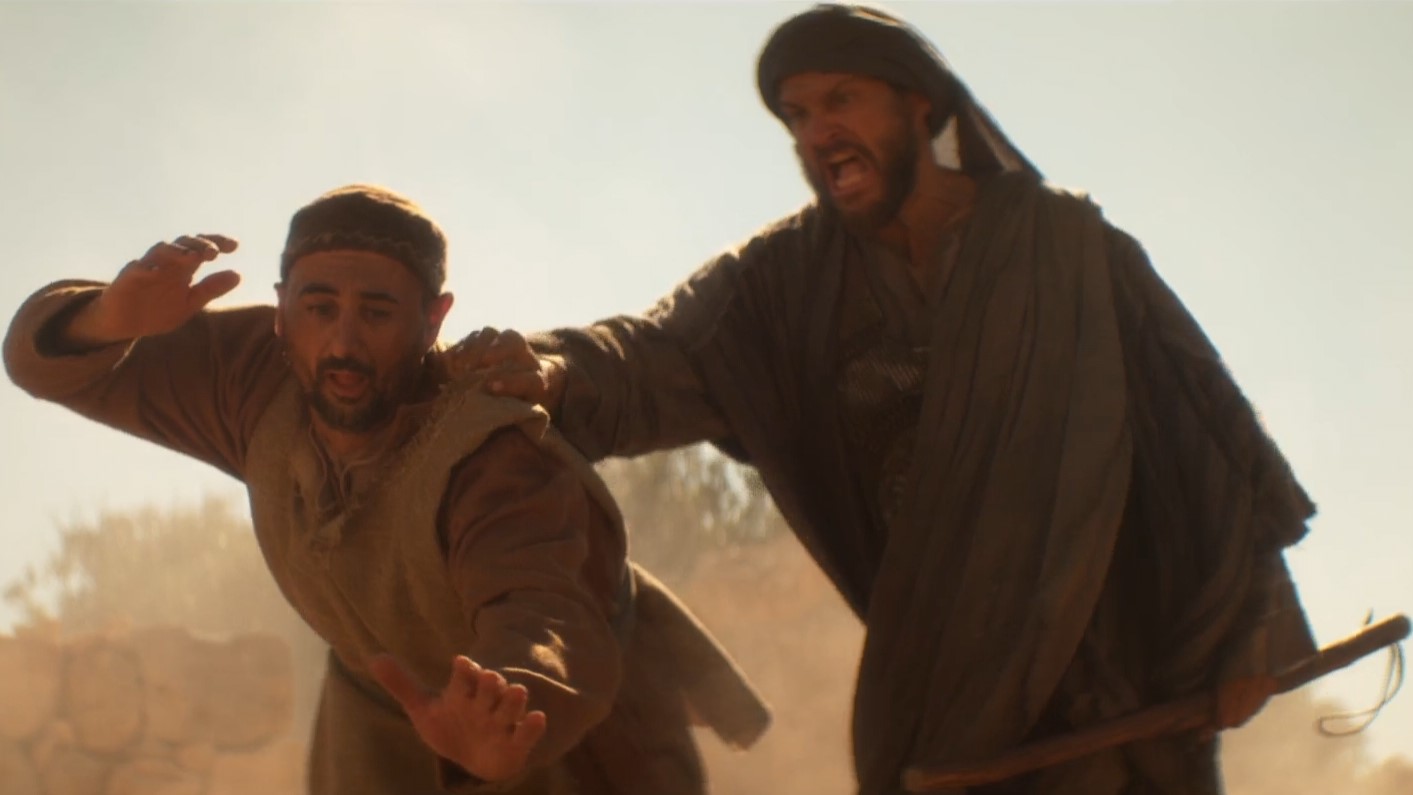
Fr (Dr) Augustine Kanachikuzhy SSP Belief of people in Jesus as the Messiah was of itself not a sufficient reason for Paul to persecute the Christians, as there were messianic movements before Jesus’ day, and the followers of those movements were not persecuted. The persecution resulted from the Christians’ belief and proclamation of Jesus of Nazareth as the Messiah, who had been crucified and thereby stood under God’s curse. For according to Dt 21,23, “a hanged man is accursed by God.” Thus, the revealed Word of God itself testified that Jesus was cursed by God, as he had been crucified…
-
Paul, the witness
Fr. (Dr) Augustine Kanachikuzhy SSP God choosing eligible candidates for specific purposes is a common occurrence in the Biblical tradition. God chose Abraham, Moses, Joshua, David, Isaiah, Jeremiah and other great Old Testament personalities with specific purposes in mind. Thus, when called Abraham responded with his profound faith and became the great patriarch and father of the Jewish faith. When God asked Moses’ cooperation to lead the Hebrews who were enslaved in Egypt, he responded positively albeit some initial objections. Moses became the epitome of grace and power as he led the people out of Egypt. After Moses Joshua stepped…
-
25 january: an hour of listening to the Word
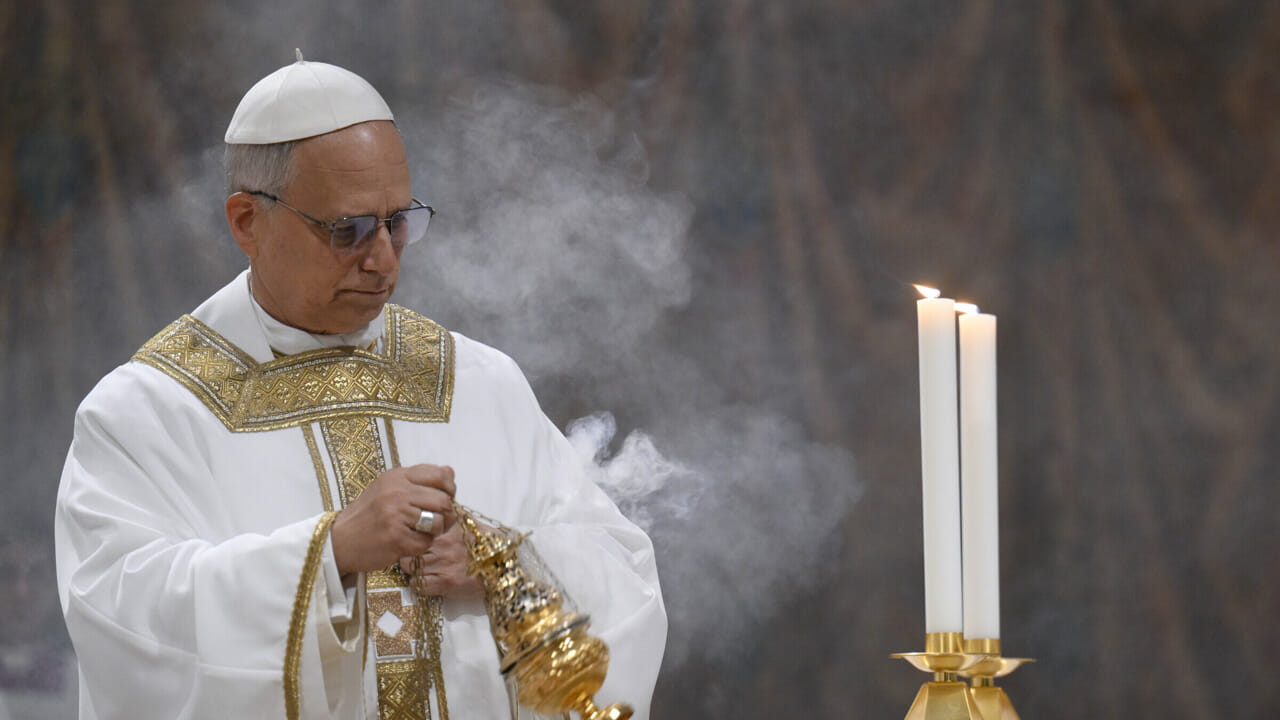
This moment of prayer is suitable for individuals or groups. The structure follows an hour of listening to the Word in three parts: an invocation of the Holy Spirit, a guided reading of the Letter to the Colossians, and a concluding prayer using the traditional ‘Litanies in Honor of St. Paul’. Download the text.
-
“The Word dwells among you” (Col 3,16). How?
This year marks the seventh edition of Sunday of the Word of God. It falls on January 25th, a date the liturgy links to Saul’s encounter on the road to Damascus—a journey defined by revelation, vocation, and profound inner enlightenment. As we acknowledge the vital roles played by the Society of St. Paul and the Community of St. Giles in establishing this day, we approach this year’s observance with particular intensity. The theme for 2026 presents several challenging questions: What makes our service to the Word unique or “unprecedented” compared to other publishers? What keeps our work vibrant and reverent…
-
Sunday of the Word of God 2026
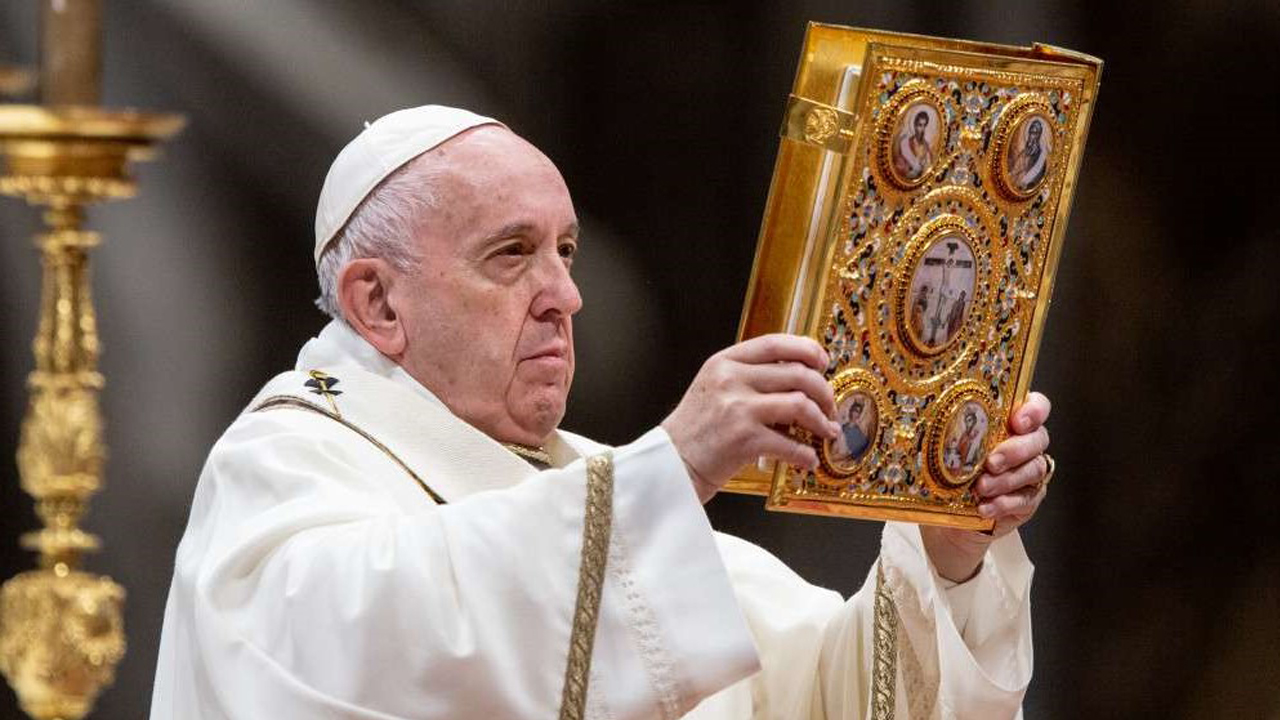
All resources for the upcoming Sunday of the Word of God, observed on January 25, 2026, are now available. This year’s celebration holds special significance as it coincides with the Feast of the Conversion of Saint Paul, the day that concludes the Week of Prayer for Christian Unity. The Word that Christ spoke to Paul on the road to Damascus profoundly transformed his heart, molding him into the great evangelist we revere today. Now, it is our mission to ensure that this same Word reaches the ends of the earth, transforming the lives of all people and dwelling in our…
-
She laid him in a manger. Word of God and imagery
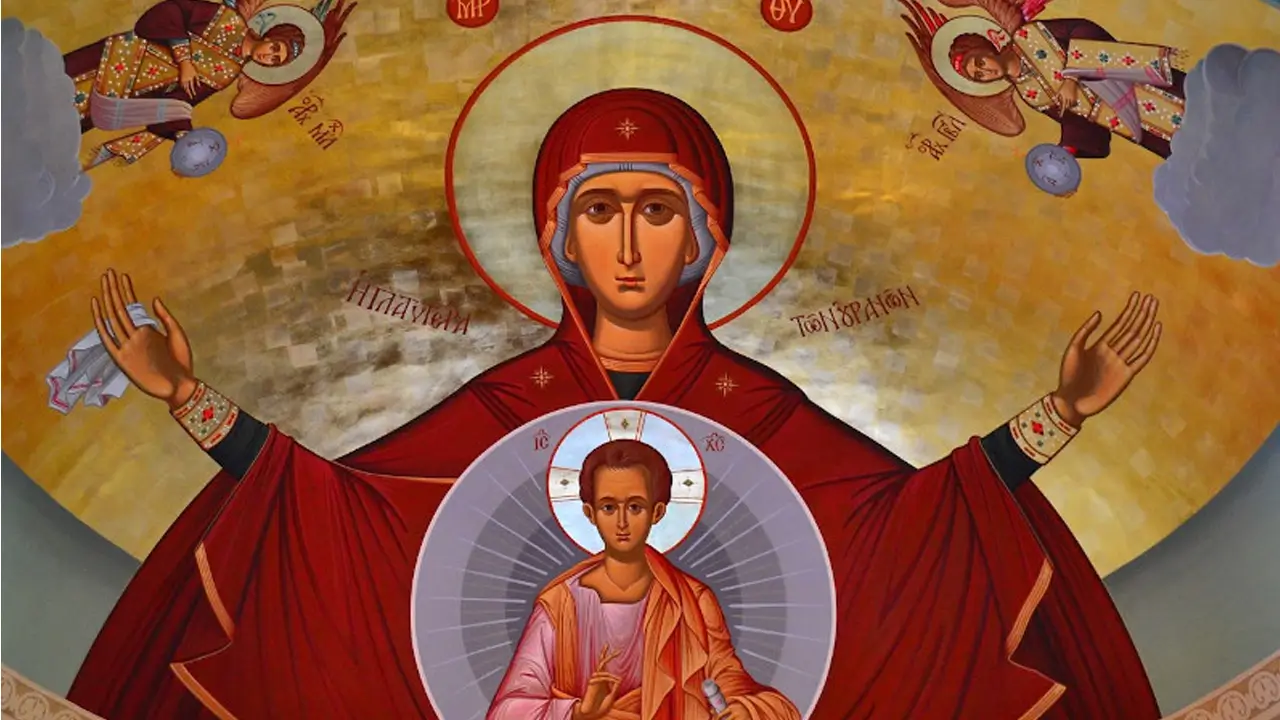
In light of this phrase from Luke, Pauline biblical scholar Fr. Giacomo Perego and artist Alice Ferrari, from the Centro Aletti, retrace the profound meaning of ministry in its origins, rediscovering the Trinitarian dynamics that characterise it. Through a fruitful dialogue between the Word of God and visual imagery, the resulting reflection offers a fresh perspective—not only on the various ministries but also on the mystery of Christmas that surrounds us during these days. The encounter was sponsored by the Centro Culturale San Paolo in collaboration with SOBICAIN.
-
Friar Roberto Pasolini and the service to the word
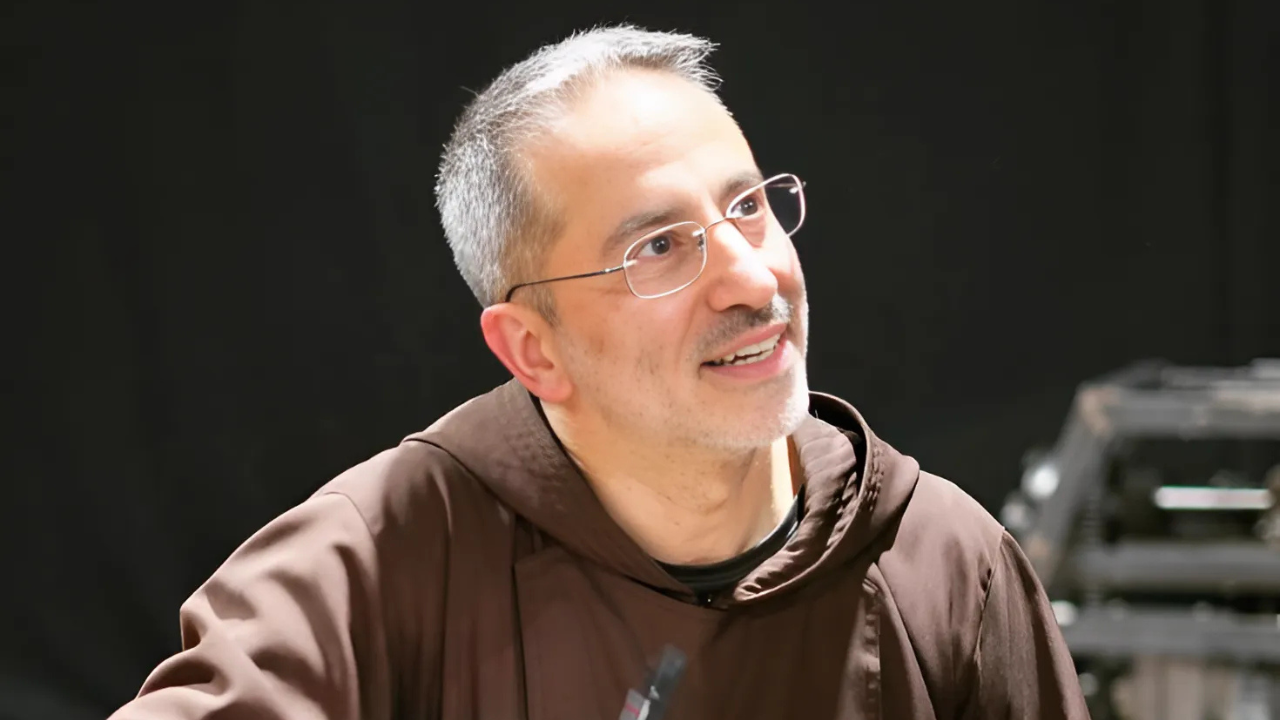
With over 10,000 followers, Fra’ Roberto Pasolini’s YouTube channel (@fr_pasolini) deserves to be widely promoted: it offers numerous biblical resources that help believers navigate the different liturgical seasons, accompanying their journey throughout the year with the Word. It provides not only the meditations he has held at the Pontifical Household, but also other materials (lectio divina, thematic deep dives, meditations) that touch upon various aspects of the life of faith, starting from its great pillars: the resurrection, the incarnation, life in Christ, and being the Church.
-
The Word of God is not chained!
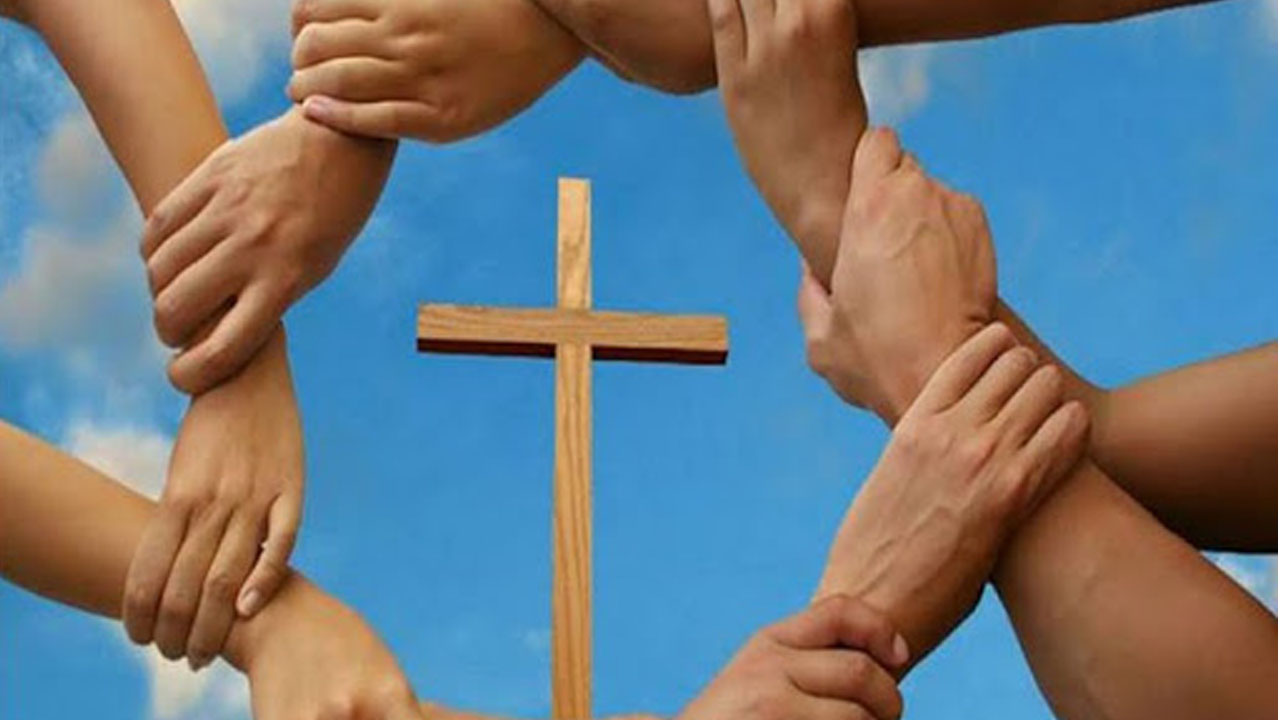
The Biblical Studies and Spiritual Care: Intersections of Pastoral Practice and Biblical Hermeneutics unit, part of the annual Society of Biblical Literature Meeting, has announced a focused initiative: a call for articles and biblical studies that examine the experience of incarceration and related themes of freedom, redemption, rebirth, and human dignity. The central objective is to demonstrate how the Word continues to resonate in harsh and challenging contexts, such as prisons and immigrant detention centres, as well as in complex experiences involving pushbacks, expulsions, and marginalisation. Submissions are welcomed from both faculty academics and advanced students who are about to…
-
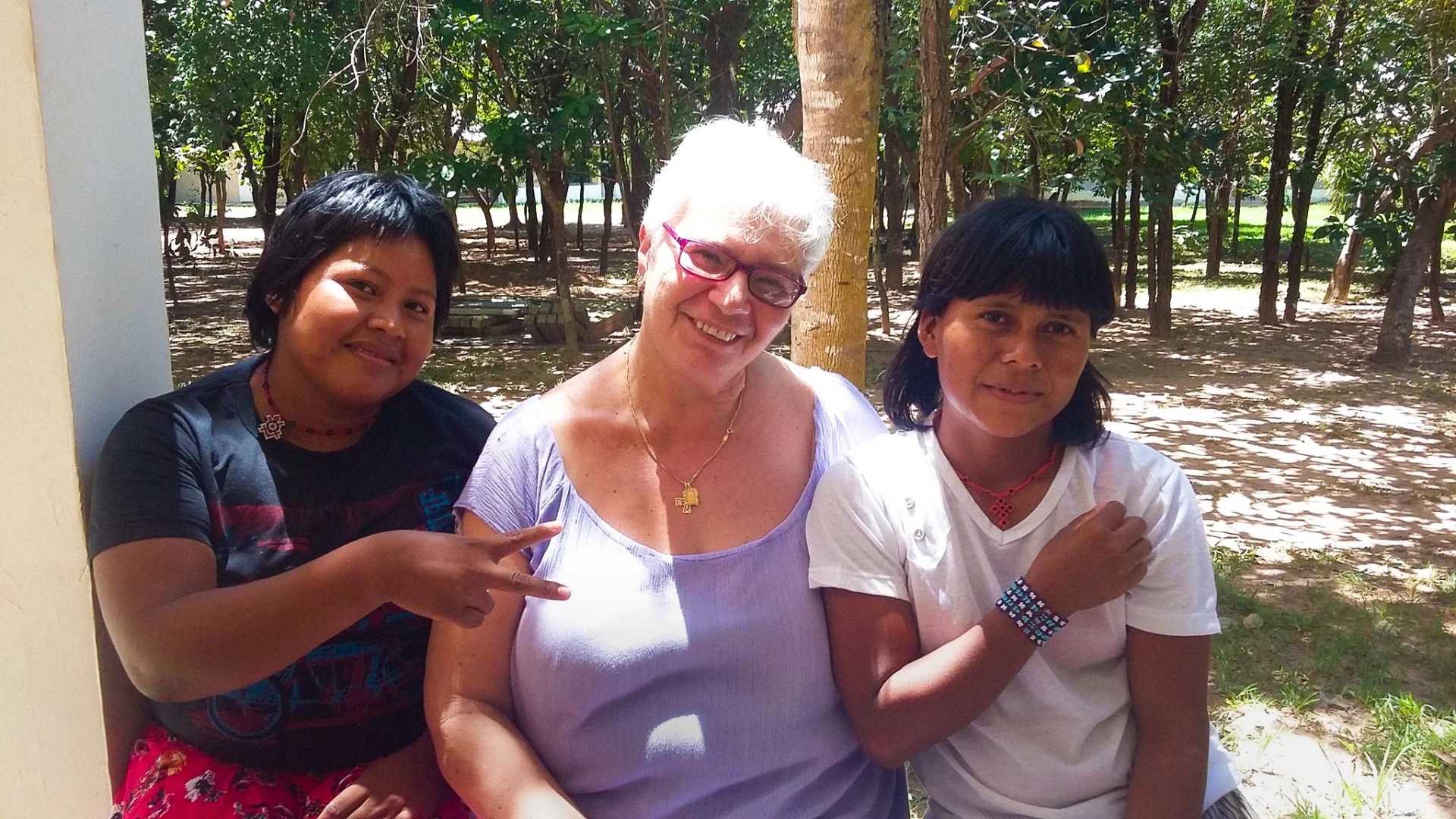
The Bible and “fragments” of the Word
Maria Soave Buscemi, a fidei donum theologian, has spent over three decades promoting the popular reading of the Scriptures in Amazonian communities. She describes her experience of walking alongside these people, and the deep lessons learned, as a parallel to the disciples of Emmaus. Her personal testimony is featured in a recent Mondo e Missione interview. Click here.